多通道升学
连续15年一站式高端教育
全国招生

然而,在实际学习过程中,数学常常被简化为大量练习与解题训练。学生忙于完成题目、记忆公式,却缺少对概念本质与背后逻辑的深入理解。久而久之,不仅消耗学习兴趣,也使数学作为基础学科的价值难以充分发挥。
基于这一现实痛点,爱迪构建了一套系统而清晰的小学数学课程体系:
以国家课标为主干,
融合成熟的国际课程理念,
通过多元化的教学路径与丰富的学习体验,
引导学生在理解中学习,在应用中深化。
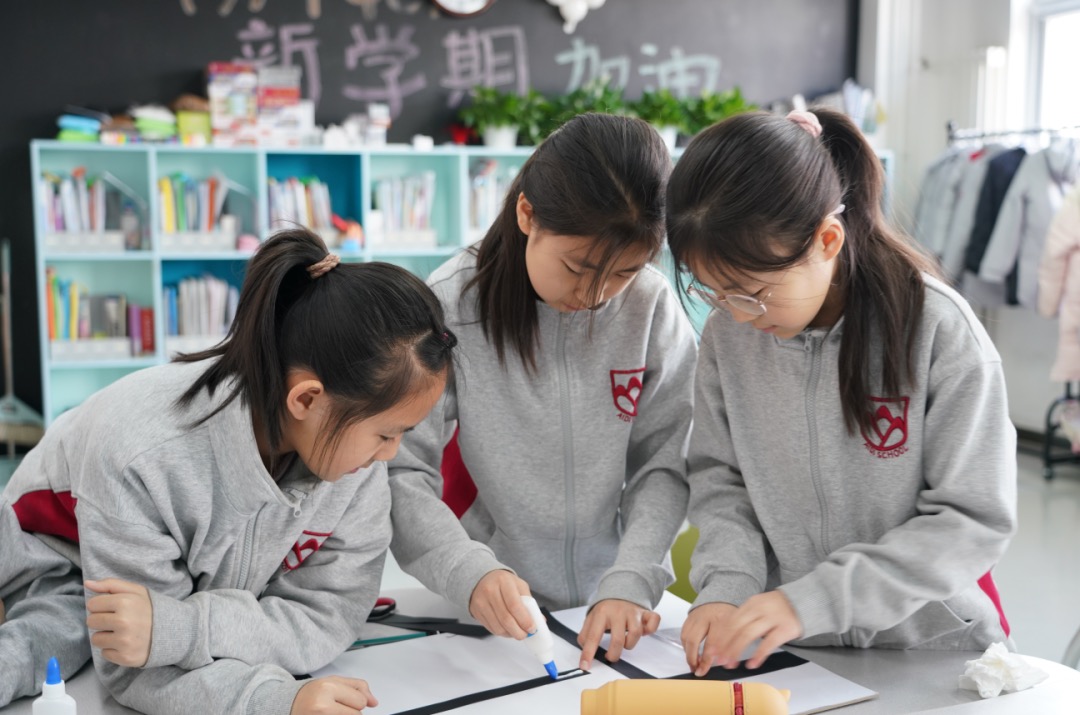

课程并非简单叠加国际元素,而是有选择、有重点地吸收新加坡与剑桥数学的成熟经验,形成一套结构清晰、目标一致、层层递进的课程体系,帮助学生在夯实基础的同时,建立可持续发展的数学思维能力。
课堂中保留精讲多练的有效经验,同时通过数形结合、分类讨论等数学思想的持续渗透,引导学生从“算得快”,逐步走向“想得清、想得深”。
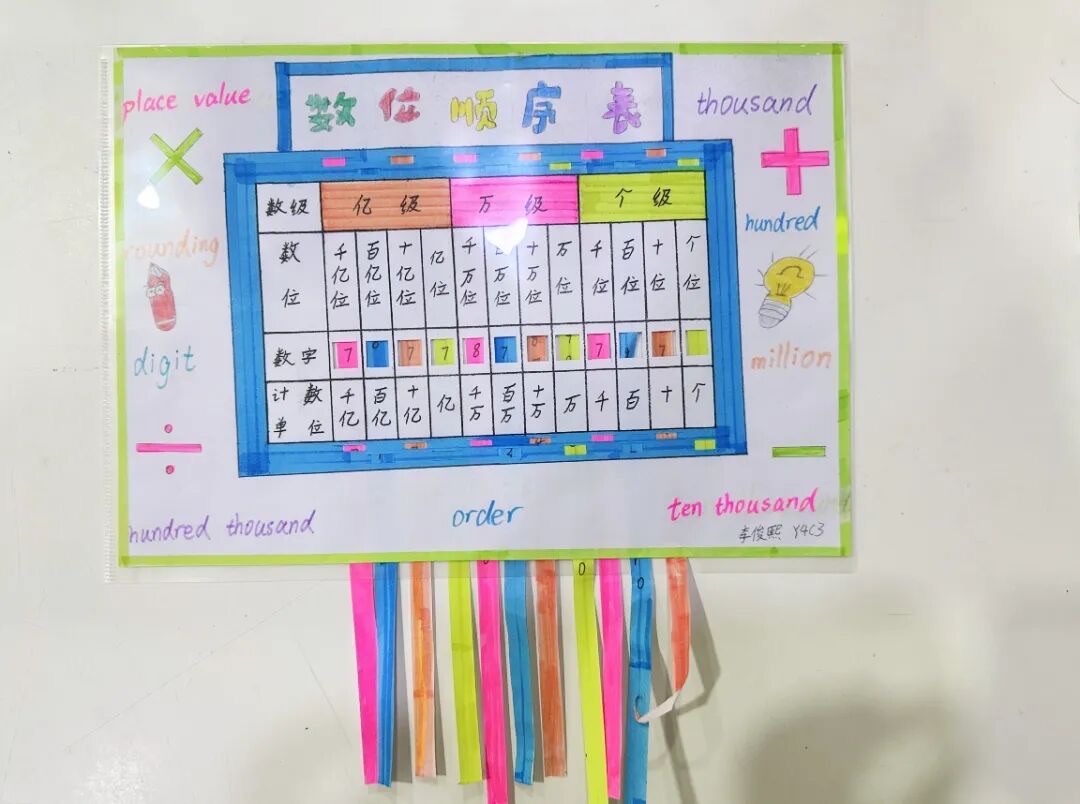
无论是体积、分数还是比例,学生都会经历由操作体验、图像表达再到符号概括的完整过程,使公式不再是需要背诵的结论,而是理解之后自然生成的结果。这种“由浅入深、循阶而上”的学习方式,为后续更复杂的数学学习奠定了坚实的认知基础。
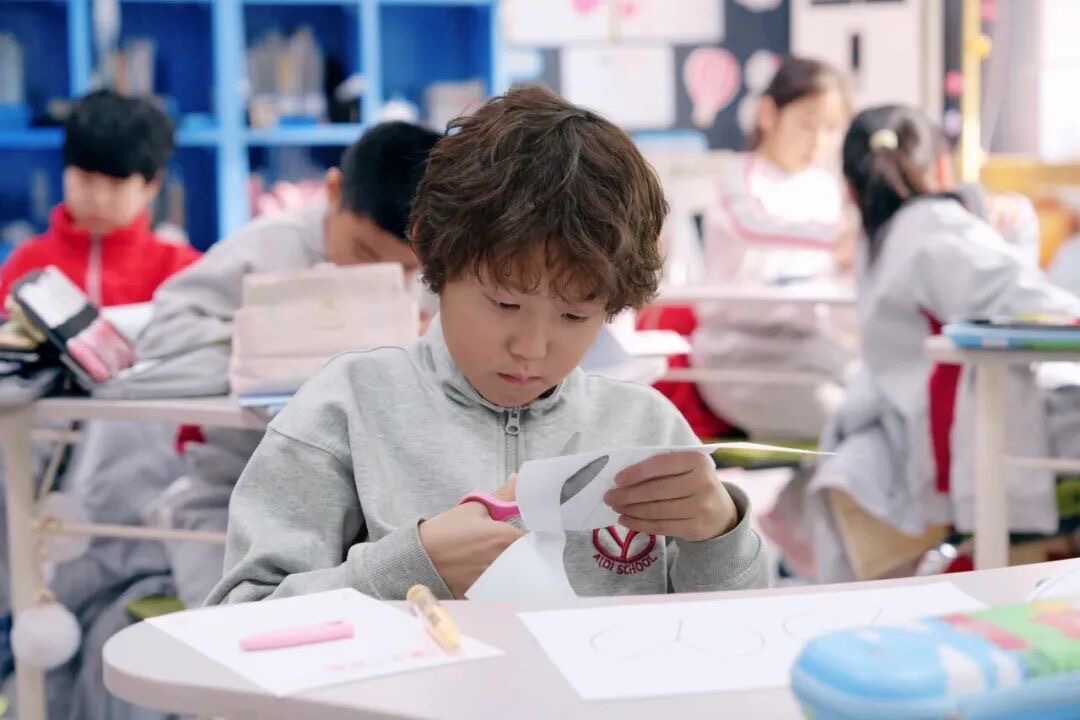
数学在这里,不仅是一套解题方法,也逐渐成为一门可以跨文化沟通的“世界语言”。
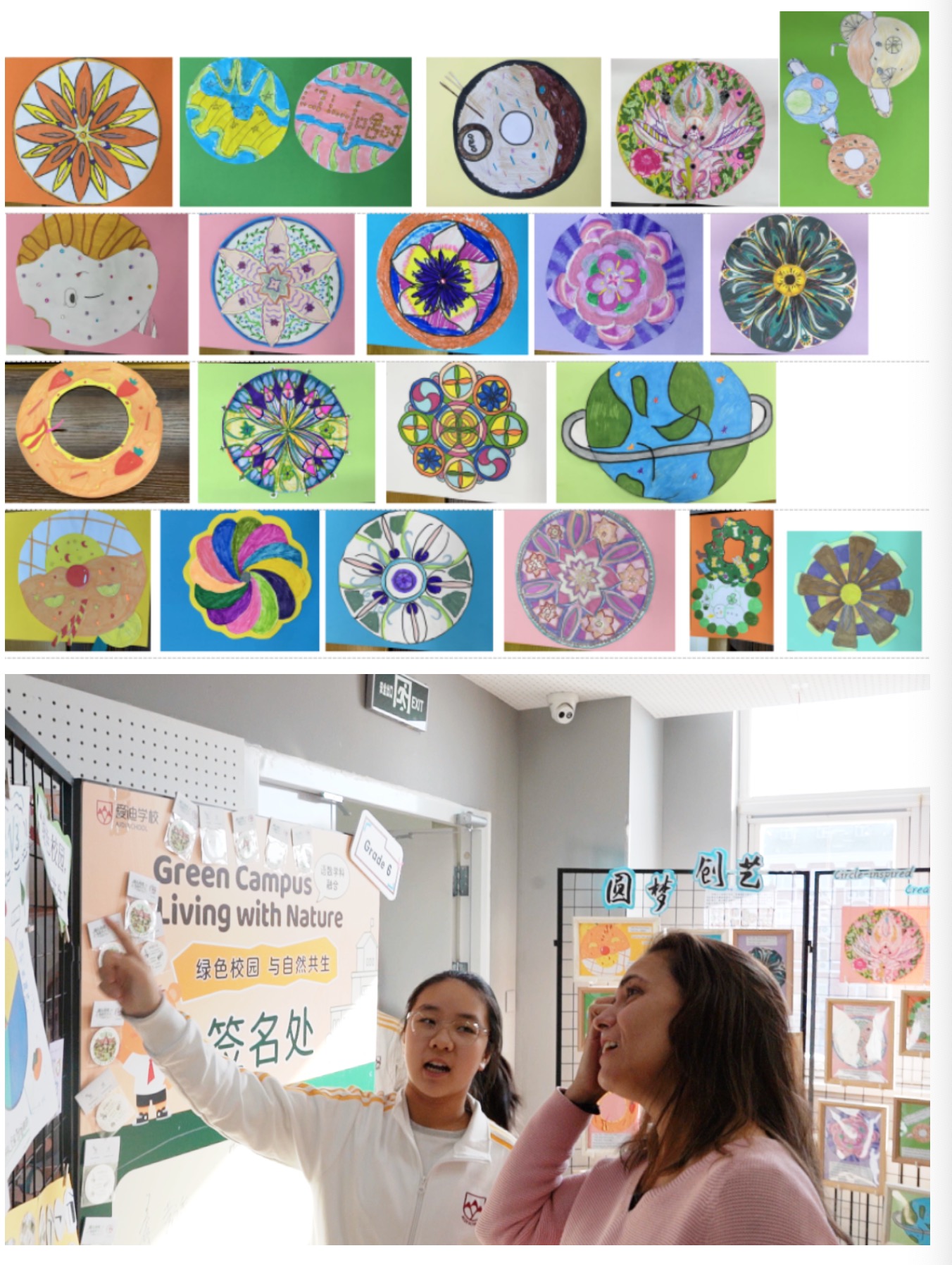

在爱迪,答案并不是简单地“用英语上数学课”,而是通过中外教师协同授课,让数学思维的建构与学术语言的发展同步发生。
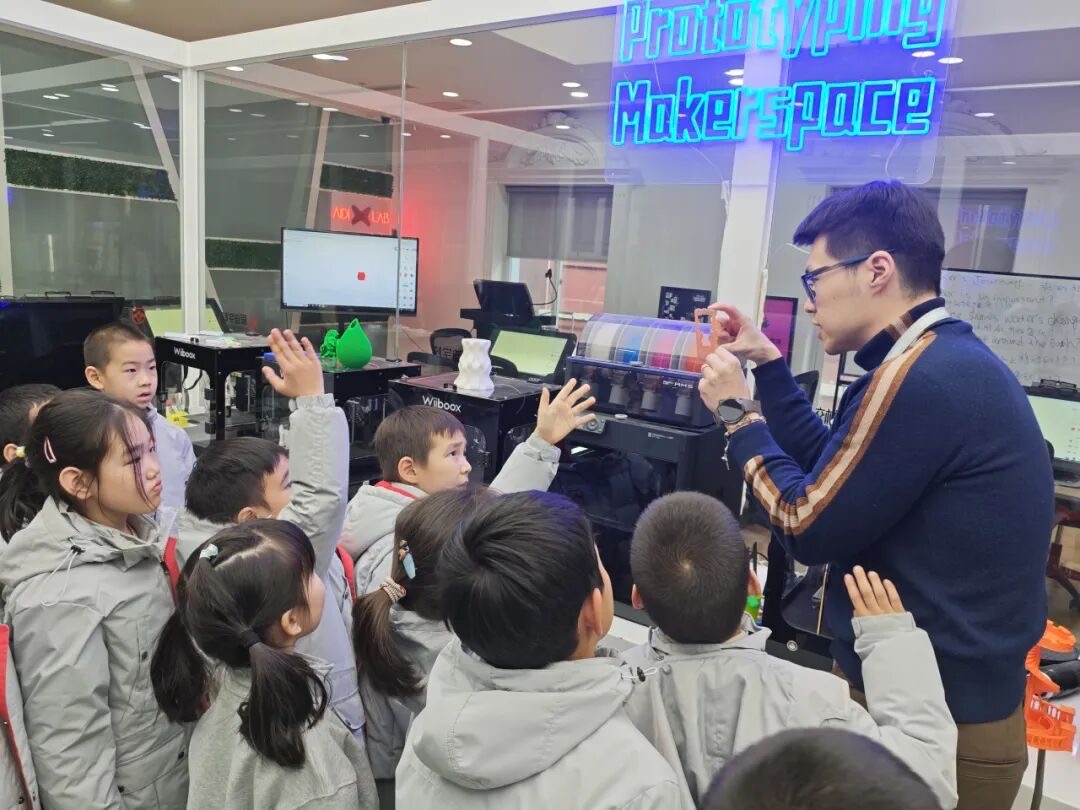
以一年级“立体图形”的学习为例,在中教老师的引导下,学生系统掌握各类立体图形的基本特征与区别,并通过三维设计与组合操作,夯实对空间概念的理解。在此过程中,外教老师自然融入课堂,学生在展示作品时,cube、cylinder 等英文术语脱口而出,双语能力在真实任务与交流情境中自然生成。
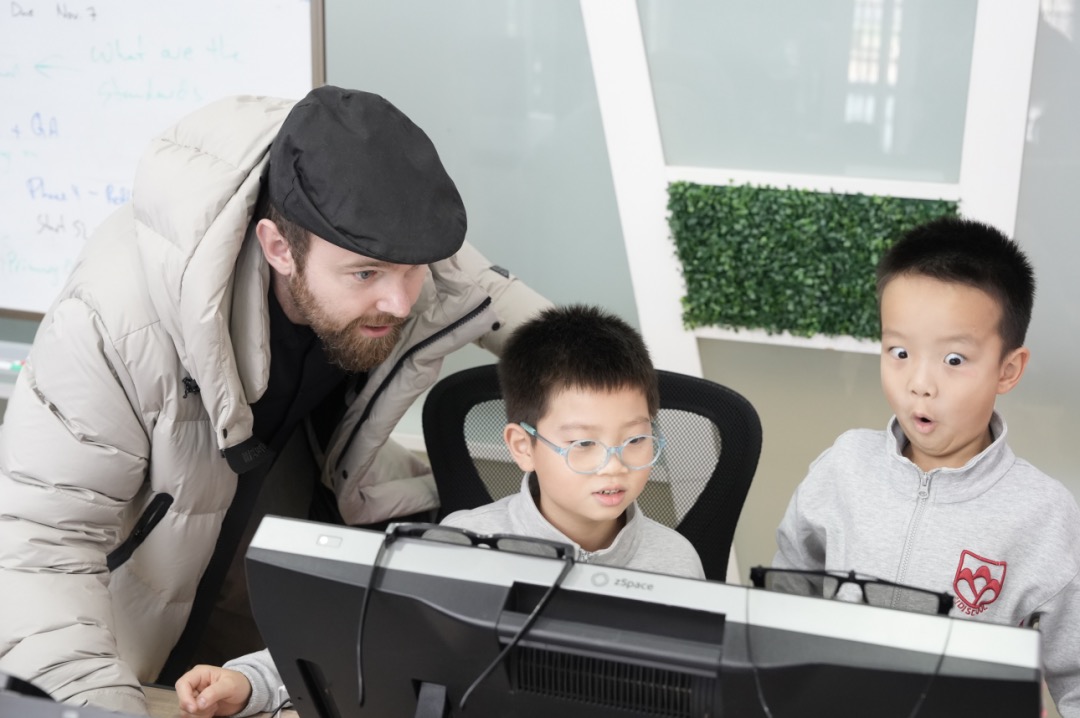
这种双语并行的课堂模式是爱迪数学教学的常态:中文帮助学生建立清晰、严谨的数学概念,英文则成为表达数学思想、分享学习成果的工具。
语言不再是额外负担,而是数学学习过程中自然生长的能力;数学也不只是书本上的符号,而是一种可以被构建、被展示、被讨论的思维语言。
学生在夯实数学基础的同时,也逐步适应用第二语言进行学术表达,为未来进入更高阶段的国际课程学习打下坚实基础。

当数学真正融入实践情境,评价方式也随之发生改变
在爱迪,数学并不只依赖一张试卷来判断学习成效,而是构建了“笔试+实践”的双轨评价体系:不仅关注答案是否正确,更重视思路的合理性、方法的选择、实践能力以及合作与表达等多维度表现。
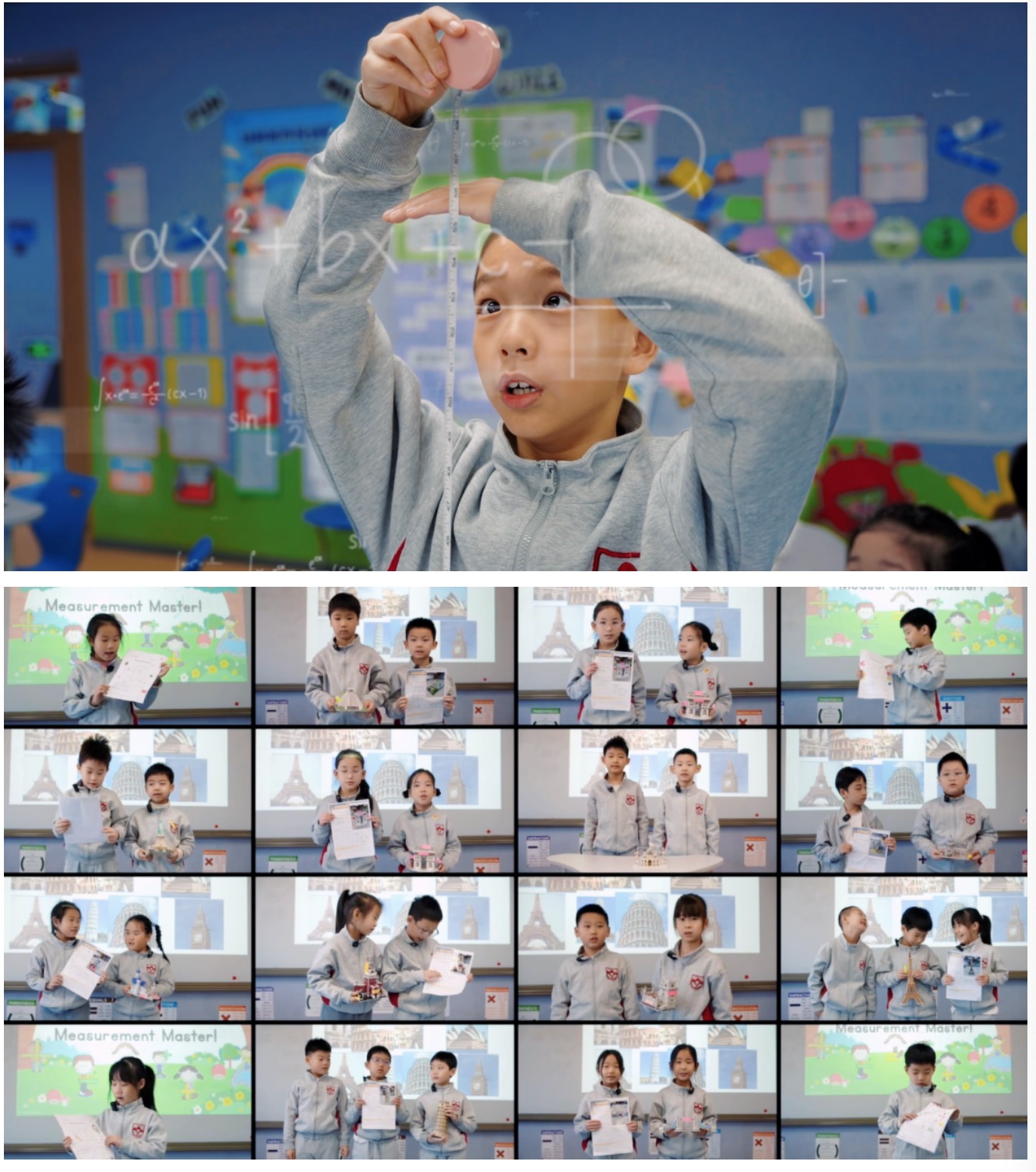
以二年级的“测量大师”项目为例,学习并非从单位定义开始,而是从一张任务卡启程。学生先测量自己的身体,建立对“厘米”和“米”的真实感受;随后选择世界著名建筑,查找数据、理解尺度,并动手制作比例模型。
最终的评价不以试卷呈现,而是在项目博览会中,通过模型展示、海报讲解与全英文汇报,综合考察学生的探索过程、协作能力与表达逻辑。
让知识成为理解世界的工具,
让评价回归成长本身。
当学生能够用双手去丈量、用创造去表达、用合作去解决问题时,他们获得的将不仅是数学能力,更是面向未来的关键素养。

学生围绕真实或高度贴近现实的任务情境,综合运用运算、几何与统计等知识进行分析与决策,从而真正理解“学数学是为了什么”。
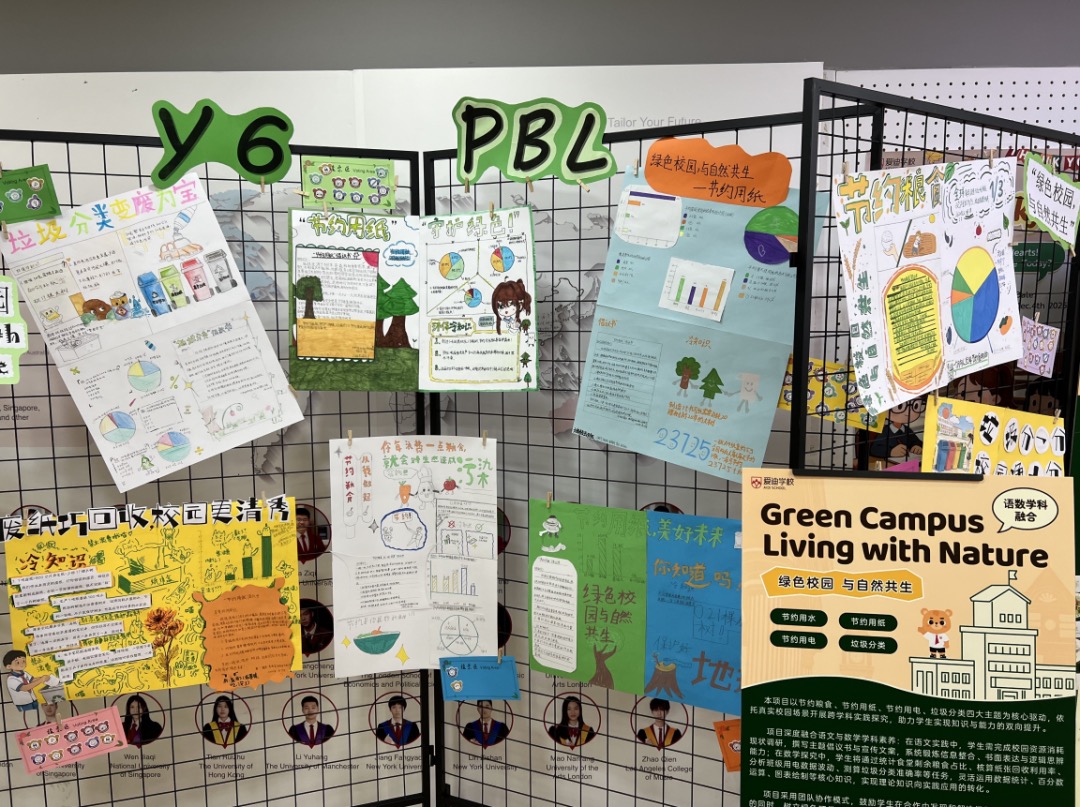
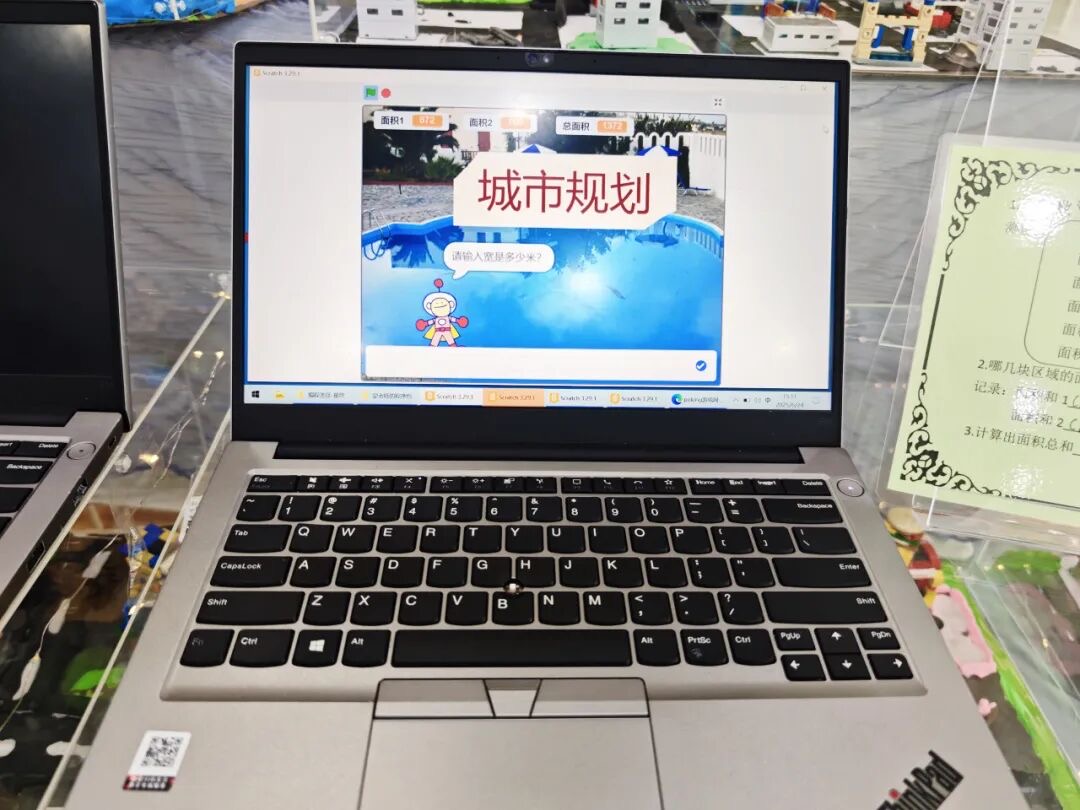
以四年级的“小小城市规划师”和“图形的力量”项目为例,学生在学习乘法分配律与几何图形性质之后,将数学原理运用于真实的创造性任务:或化身城市规划师,运用计算与推理优化区域布局;或成为图形设计师,通过艺术创作将平行四边形、梯形等抽象概念转化为具体可视的作品。
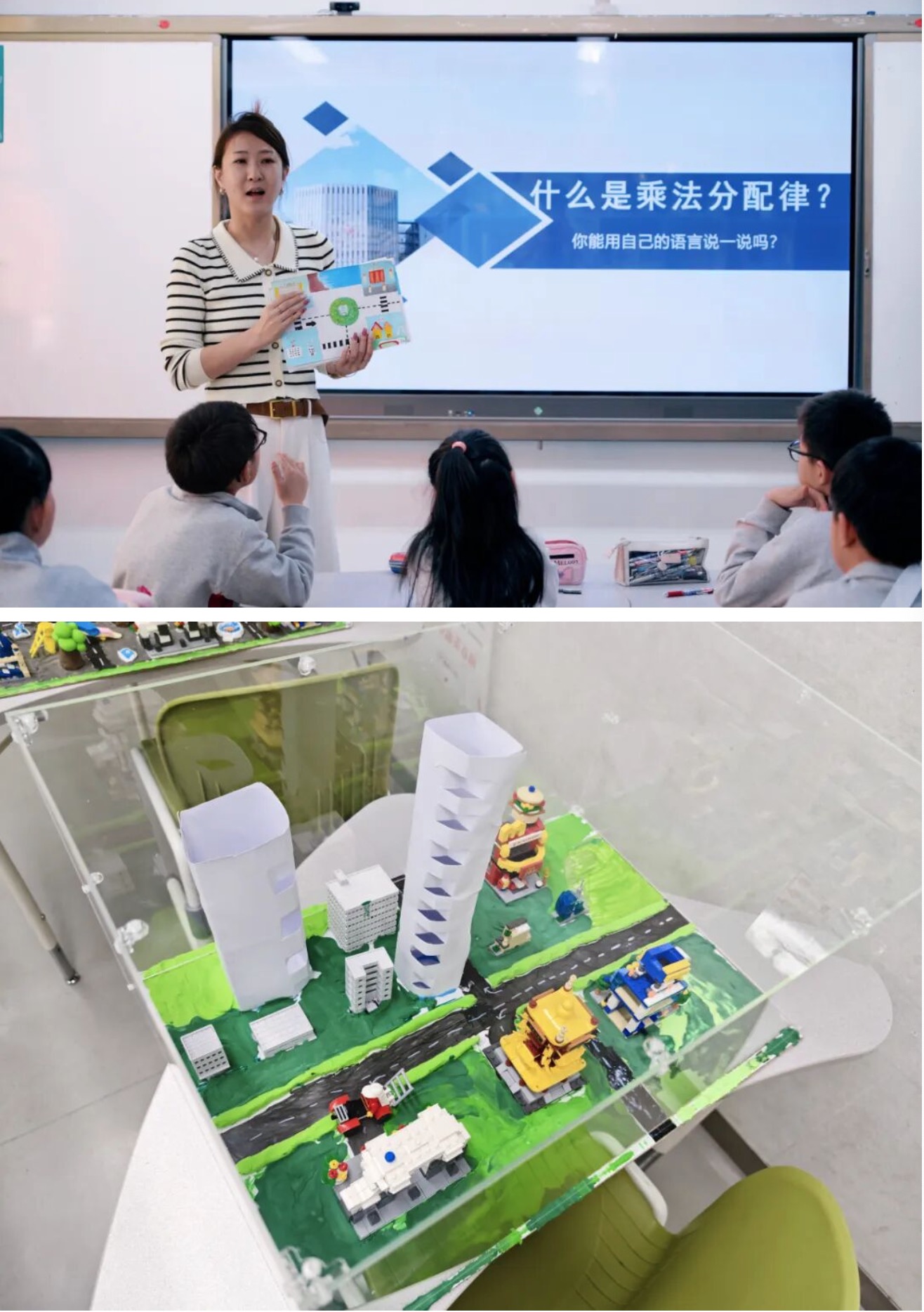
在完成项目并用英文进行汇报展示的过程中,数学不再是书本中孤立的公式与定义,而是成为解决问题、支持创造性表达的有力工具,实现思维与能力的综合发展。
教师团队扎实的数学专业背景,为这种融合式培养提供了有力支撑。小学数学教师团队整体具备竞赛辅导能力,其中约40%曾参与国际数学竞赛的命题或评审工作。这意味着,竞赛并非只出现在课后训练中,而是深度融入课堂提问方式、问题设计与思路引导之中。
在日常教学或项目学习中,当学生展现出对某一数学领域的浓厚兴趣或独特潜力时,老师能够及时识别,给予最前沿、最核心的指导。他们深谙竞赛题目背后的设计逻辑与思维考察要点,能引导学生从“如何解题”升华到“如何像出题者一样思考”。

在小学阶段,数学学习的核心并不在于掌握多少解题技巧,而在于是否形成清晰、稳定的数学理解方式。真正有效的数学教育,旨在帮助学生理解概念、建立逻辑,并能够在新的问题情境中主动运用所学。
爱迪小学数学课程以国家课标为根基,融合国际课程的教学方法,通过双语课堂、项目式学习与多元评价,为学生提供多样而有序的学习路径。课程关注的不只是答案的正确性,更重视思考过程、思维培养与应用能力,引导学生在理解中不断进阶,为未来更高层级的学习与复杂问题的解决奠定坚实基础。
Yet in practice, mathematics is often reduced to repetition and speed. Students complete exercises and memorize formulas, but seldom pause to explore the concepts and logic behind them. Over time, interest is consumed by mechanical practice, and the subject’s deeper educational value is left unrealized.
In response to this challenge, Aidi has developed a structured and coherent primary mathematics curriculum. Firmly rooted in the Chinese National Curriculum Standards and thoughtfully enriched by established international approaches, the program guides students to learn through understanding and deepen through application.At Aidi, mathematics is no longer a collection of numbers and formulas. It becomes a language of thinking that can be understood, articulated, and applied in authentic contexts.

Explicit instruction and purposeful practice remain central, while mathematical thinking strategies such as number and shape integration and structured comparison are consistently embedded. Students gradually move from calculating quickly toward thinking clearly and deeply.
In topics such as volume, fractions, and ratios, students manipulate materials, model visually, and then generalize symbolically. Formulas are not memorized in isolation; they emerge from structured understanding. This progression secures conceptual stability and prepares students for advanced reasoning.
Mathematics becomes more than a method of solving problems. It becomes a global language that connects logic, expression, and perspective.
Together, the three systems serve unified goals. The Chinese framework ensures rigor. The Singapore approach supports cognitive ascent. The Cambridge philosophy broadens inquiry and expression. The result is a curriculum that is both grounded and internationally adaptable.

In a Grade 1 unit on solid figures, students establish systematic understanding of three-dimensional shapes through guided exploration and construction. When presenting their work, English terms such as “cube” and “cylinder” are used naturally in context. Language grows from authentic tasks rather than isolated vocabulary drills.
This dual-language model is standard practice. Chinese instruction ensures conceptual precision and logical clarity; English becomes a tool for articulating ideas and sharing outcomes. Language is not an added burden but an organic outcome of meaningful learning. Students strengthen mathematical foundations while building confidence in academic expression, preparing for future international study.

In the Grade 2 “Measurement Master” project, learning begins with real tasks. Students measure their own bodies to internalize units of length, research world landmarks, analyze scale relationships, and construct proportional models.
Final assessment takes place during a project exhibition. Through model demonstrations, poster explanations, and English presentations, students showcase not only results but also their inquiry processes and logical structure.
Knowledge becomes a tool for understanding the world, and assessment reflects growth rather than isolated performance.

Working in authentic contexts, students integrate operations, geometry, and statistics to analyze and make decisions. Through this process, they gain a clear sense of the purpose and value of mathematics.
In Grade 4 projects such as “Young City Planners” and “The Power of Shapes”, students apply distributive law and geometric properties to creative challenges. They optimize urban layouts through calculation and reasoning, or transform abstract shapes into artistic visual compositions.
Through collaboration and English presentations, mathematics becomes an instrument for inquiry and creation. Students come to understand that mathematics is not knowledge to be completed, but a transferable thinking tool that can be repeatedly applied and extended.

The teaching team’s strong academic background provides solid support. Approximately forty percent of primary mathematics teachers have participated in international competition problem setting or evaluation. This expertise informs classroom questioning, task design, and strategic guidance.
When students demonstrate particular interest or potential, teachers provide timely and appropriately challenging direction. Students are guided not only to solve problems but also to understand the logic behind how problems are designed.
Competition preparation is not driven by excessive drilling. The goal is to steadily elevate the ceiling of thinking while ensuring that cognitive development remains balanced and sustainable.
In primary education, mathematics is not about accumulating techniques. It is about forming a clear and stable mode of thinking. Effective instruction enables students to understand concepts, construct logical frameworks, and transfer knowledge to new situations.
Grounded in national standards and enriched by international methodologies, Aidi’s curriculum integrates bilingual instruction, project-based learning, diversified assessment, and thoughtful academic extension. It values depth of reasoning alongside accuracy and application alongside mastery.
Through structured progression and meaningful experience, students build a foundation strong enough to support advanced study and navigate the complex challenges of the future.